
The Orlando Downsizer's 90-Day Timeline: How to Avoid CDD, HOA, and Roof-Insurance Deal Killers
⚡ Quick Summary
- The Core Strategy: A successful downsizing listing does not start with photography; it starts 90 days out by securing the hidden financial disclosures—CDD bond balances, HOA estoppel letters, and condo reserve studies—that routinely kill escrows during the buyer's underwriting phase.
- The 2026 Policy Shifts: Sellers with older roofs benefit from a massive March 2026 Fannie/Freddie guideline update allowing Actual Cash Value (ACV) roof policies, while condo sellers face new scrutiny under SB 4-D, giving buyers a strict 7-day window to cancel contracts if the building's SIRS reserve study shows underfunding.
- The Financial Fallacy: Master-planned sellers in Horizon West or Lake Nona should never pay off their CDD bond prior to closing, as the payoff amount is almost never recovered 1:1 in the final sale price, preferring instead to transfer the debt service transparently to the buyer.
In my years working with downsizing sellers across Winter Garden, Dr. Phillips, Windermere, and Lake Nona, I've noticed the deals that fall apart rarely fail because of the house itself.
They fail because of a document nobody read closely enough — a CDD bond balance, an HOA estoppel letter, or a roof insurance quote that arrives after the buyer is already emotionally moved in.
This guide walks through the 90-day operational sequence I use with clients to navigate downsizing vs. right-sizing in Orlando so those surprises get resolved before a buyer ever sees the listing, not during underwriting.
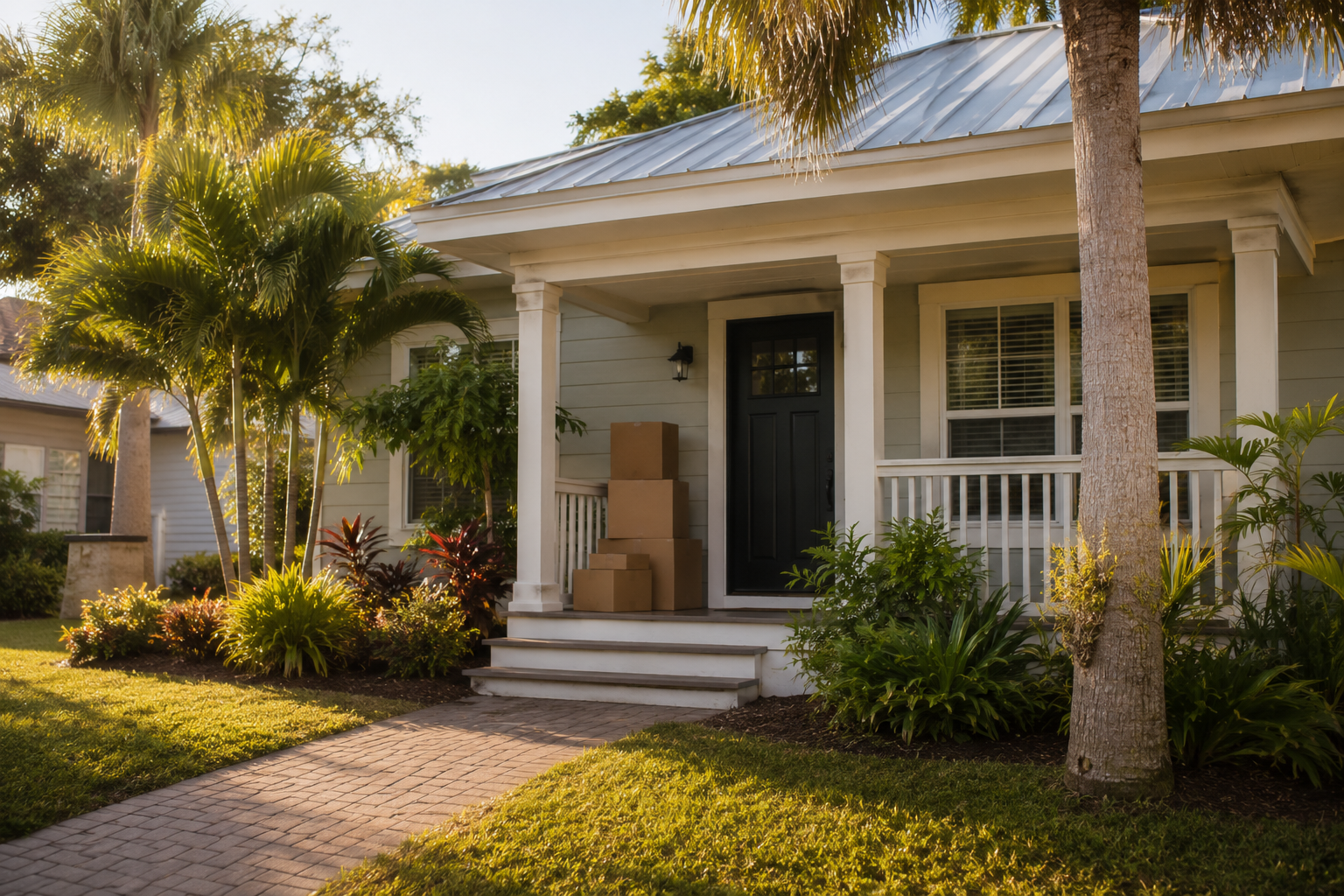
What Is the Real 90-Day Timeline for Downsizing in Orlando?
The timeline starts with sorting and property inspection, not with calling a photographer. Sellers who work backward from a target list date — inventory first, repairs second, staging last — avoid the scramble that pushes listings onto the market unprepared, especially when trying to pinpoint when is the best time to sell a home in Dr. Phillips.
The Pre-Listing Countdown
The CDD Bond Mistake That Costs Horizon West and Winter Garden Sellers Money
Sellers in Hamlin, Summerport, and other Horizon West villages frequently assume they must pay off their Community Development District (CDD) bond before listing. That's rarely the right move — CDD debt transfers to the buyer at closing, and the payoff amount is almost never recovered 1:1 in the final sale price.
Instead, I advise clients to let the remaining bond term become part of the marketing story. A townhome with $1,800 to $3,500 in annual CDD assessments still competes well against a mature, non-CDD property, provided you grasp the underlying operational differences of a CDD vs. HOA structure. Underwriters pull the non-ad valorem assessment directly from county tax records, meaning you need to account for what property taxes will cost in Orlando upfront rather than relying blindly on a builder's online calculator.
Will an Older Roof Stop Your Sale? The New 2026 ACV Rule Changes the Math
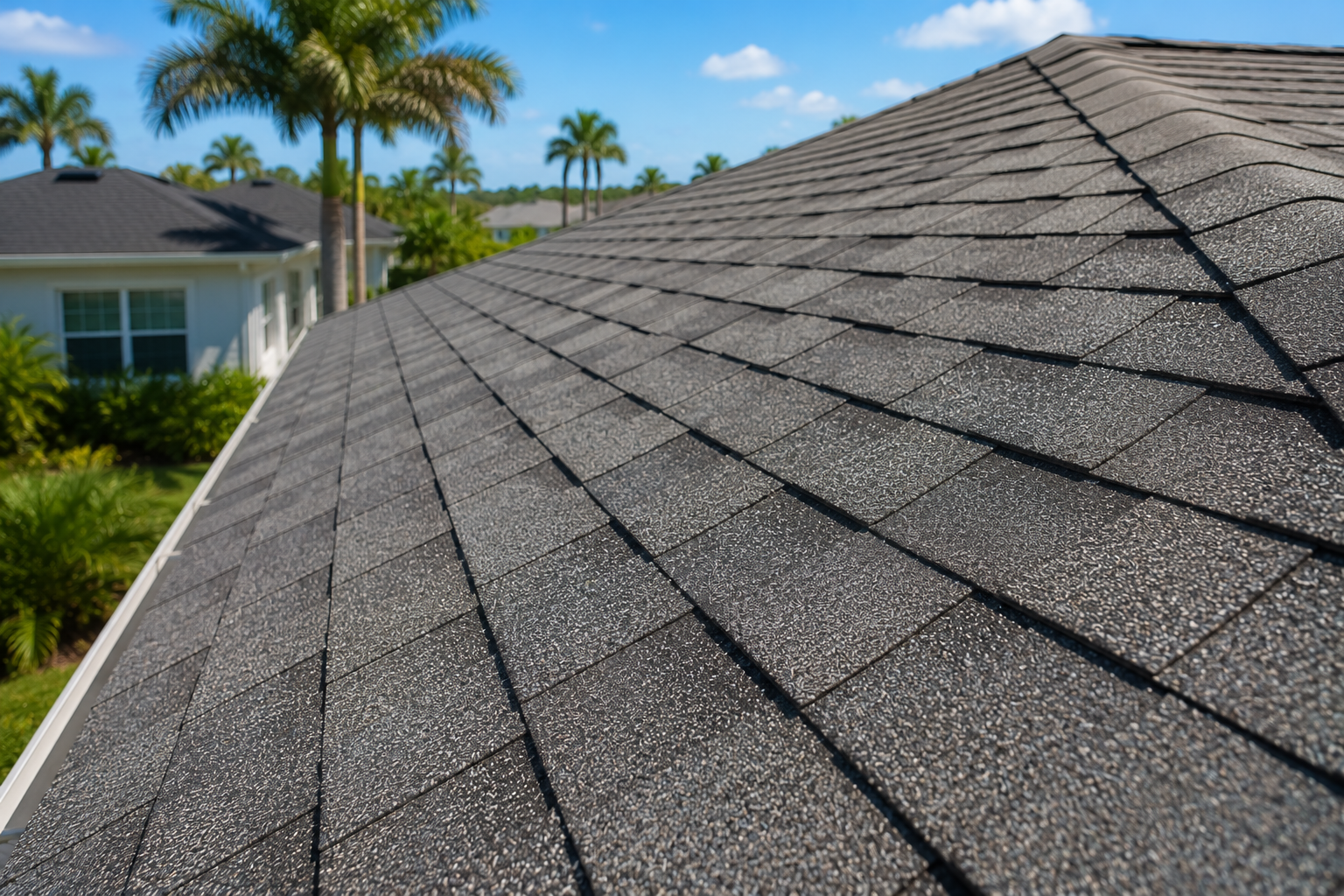
A roof over 15 years old used to be an almost automatic deal-killer under conventional financing. As of March 18, 2026, Fannie Mae and Freddie Mac guidelines allow Actual Cash Value (ACV) roof policies, which means buyers no longer need a brand-new roof to close a conventional loan.
The Wind Mitigation Edge
An ACV policy still leaves the buyer exposed to depreciation on future storm claims, which is exactly why I recommend sellers in older sections of Dr. Phillips and Bay Hill understand how Dr. Phillips home insurance costs scale before listing. A certified wind-mitigation report can unlock up to a 60% insurance discount for the buyer, eliminating a primary objection that often contributes to why an Orlando home is not selling.
The Hidden HOA Estoppel Risk in Lake Nona and Master-Planned Communities
The estoppel certificate is one of the most underestimated documents in a Central Florida transaction. It discloses unpaid dues, active covenant violations, and pending special assessments — and in gated communities, that assessment can run into the thousands, shifting the carrying-cost dynamic when comparing the Winter Park vs. Windermere vs. Lake Nona submarkets.
Florida law caps the standard estoppel fee at $299, with up to $119 more for a rush order and $179 for delinquent accounts. I order this document in the 24–20 day window of my 90-day timeline, specifically so any special assessment or violation shows up on the seller's net sheet before a buyer's title company verifies what closing costs actually cost during underwriting, when there's far less room to negotiate.
SB 4-D and the Condo SIRS Trap in Dr. Phillips
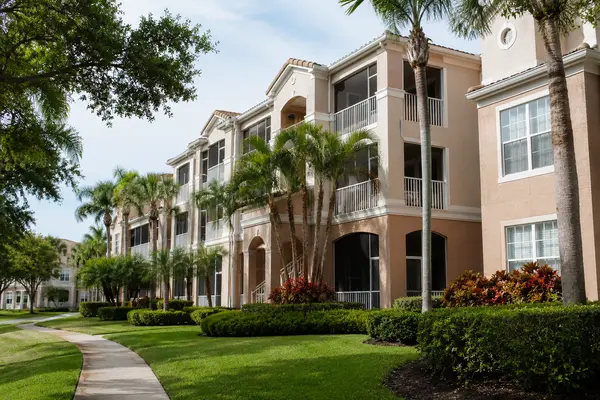
Condo sellers face a separate disclosure risk. Senate Bill 4-D now prohibits associations from waiving structural reserve funding, and buyers get a statutory seven-business-day window to review the building's Structural Integrity Reserve Study (SIRS) after contract. If that study shows reserves funded below the recommended level, dues can jump sharply within a single budget cycle, and buyers routinely cancel.
My rule for condo sellers in three-story-plus buildings: request the current SIRS and milestone inspection status before you list, not after you're under contract. Buyers researching luxury downsizing and newer homes in Dr. Phillips are increasingly asking for this documentation up front, and having it ready signals a transparent, well-managed sale.
Staging vs. Vacant: What Actually Sells Faster in Central Florida
Vacant homes tend to sit longer on the Orlando market than staged ones, even in strong school zones. Staging key rooms — the primary living space, kitchen sightline, and primary bedroom — consistently outperforms leaving a home empty. This is why executing specific strategies like knowing how to stage a home for downsizer buyers is crucial to compressing your overall days on market.
- Occupied staging consultation: roughly $150–$600
- Vacant home staging (5 high-impact rooms): typically $1,500–$4,000 for the first month
- Virtual staging: about $35 per room if budget is tight
What Does Downsizing Actually Cost in Orlando?
Beyond commission, the physical transition has its own budget line items that catch sellers off guard. Planning for these early prevents a scramble in the final 30 days before listing and lets you offset the overall cost of staying in a large Orlando home against your future savings profile.
Professional Junk Hauling
Est: $500 – $950
Per full truckload.
Climate-Controlled Storage (10x10)
Est: $90 – $138 / month
Vital for electronics & furniture.
Estate Cleanout
Est: $500 – $10,000+
Scales from small condo to heavy estate.

Where Are Orlando Downsizers Actually Moving?
Move-up and downsizing buyers gravitate toward established subdivisions with predictable fees over newer construction with active CDD bonds. Sellers leaving larger estates often balance the nuanced lifestyle choices of local medical vs. entertainment proximity or managing the transition from lakefront to smaller lot maintenance plans near the Sand Lake corridor.
When assessing whether to sell your Orlando home now or wait, remember that a tighter timeline might benefit from alternative pathways. An off-market sale can bypass staging costs and repair demands entirely, though it typically trades speed for net proceeds.
Start Your 90-Day Pre-Listing Audit
Don't let a surprise HOA lien, unpermitted roof repair, or condo SIRS report kill your escrow. Let me pull your property data and run a full pre-listing audit before you take a single listing photo.
Direct Strategy Line: (917) 743-8865
Frequently Asked Questions
Does the CDD bond need to be paid off before selling?
No — it transfers to the buyer and is rarely worth prepaying. Sellers who pay off the bond prior to listing almost never recover the payoff amount 1:1 in the final sale price.
Who pays the HOA estoppel fee in Florida?
Sellers typically pay the estoppel fee, though it is negotiable in the purchase contract. Florida law caps the standard estoppel fee at $299, with up to $119 more for a rush order and $179 for delinquent accounts.
Can a 20-year-old roof still close on a conventional loan?
Yes. Since March 18, 2026, Fannie Mae and Freddie Mac guidelines allow Actual Cash Value (ACV) roof policies, meaning buyers no longer need a brand-new roof to close a conventional loan.
Yousef Zeidan
Luxury Right-Sizing, Downsizing, and Tax-Sensitive Relocation Specialist
Specializing in luxury right-sizing, downsizing, and tax-sensitive relocation in Dr. Phillips, Windermere, and the Butler Chain of Lakes.
- Brokerage: RE/MAX Prime Properties
- License ID: SL3520428
- Phone: +1 (917) 743-8865
- Email: yousef@floridalistings.io
- Office Address: 2713 St Armand Ct, Orlando, FL 32835, USA
Categories
Recent Posts




Request Your Confidential Risk Audit