CDD vs. HOA in Dr. Phillips, FL: What Your Tax Bill Is Actually Telling You
⚡ Quick Summary
- The Core Distinction: Unlike adjacent master-planned markets like Horizon West or Lake Nona, the established Dr. Phillips market (ZIPs 32819/32836) is predominantly an HOA-only environment governed under Florida Chapter 720, sparing homeowners from the thousands in annual Florida Chapter 190 Community Development District (CDD) infrastructure bond debt found in newer developments.
- The Financials & Logistics: True non-mortgage carrying costs can vary wildly and must be audited at the parcel level through the Orange County Tax Collector's non-ad valorem assessments, where verified community baselines range from a low $240/year in Turtle Creek to as high as $1,379/month for maintenance-inclusive luxury units in Vizcaya.
- The Risk: Established Dr. Phillips subdivisions constructed during the 2001–2006 building boom are entering a high-exposure window for underfunded reserve capital failures, making a comprehensive review of recent reserve studies and the final HOA estoppel certificate critical to protecting a buyer's debt-to-income ratio from sudden special assessments.
The short answer most portals skip: Dr. Phillips is predominantly an HOA-only market. Unlike Horizon West, Celebration, or newer Lake Nona phases, the vast majority of Dr. Phillips subdivisions were built before large-scale CDD bond financing became standard in Central Florida — meaning most homeowners here carry HOA dues and zero CDD bond debt.
That distinction is worth thousands of dollars per year, and knowing how to verify it at the parcel level is the single most valuable piece of due diligence you can do before looking at Dr. Phillips homes for sale or listing your home.
What Is the Difference Between a CDD and an HOA?
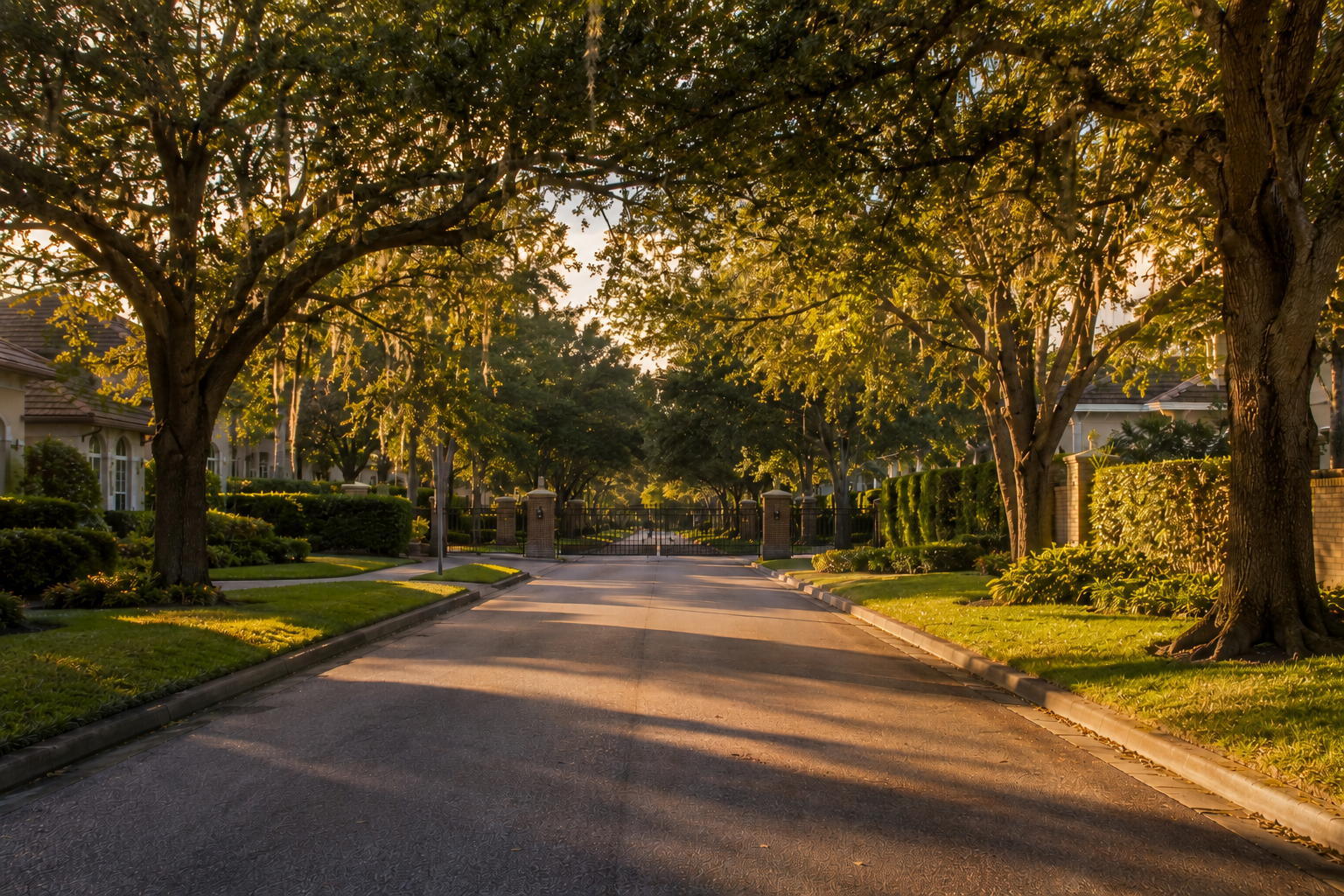
An HOA (Homeowners Association) is a private organization governed by elected residents under Florida Chapter 720 that enforces community rules and maintains shared amenities. A CDD (Community Development District) is a quasi-governmental special-purpose district created under Florida Chapter 190 that finances and maintains infrastructure — roads, drainage, amenity centers — through a bond assessment that appears as a separate line item on your annual property tax bill, not as a monthly dues invoice.
- HOA Dues: Paid monthly or quarterly to a private board; covers amenity upkeep, landscaping, insurance on common areas, and rule enforcement.
- CDD Debt Service: Appears on your November tax bill; repays the long-term infrastructure bond used to build the community's roads and utilities. This portion can sometimes be prepaid at closing.
- CDD Operations & Maintenance (O&M): Also on your tax bill; covers ongoing district management. This portion cannot be eliminated — it persists as long as the district operates.
- Key Distinction: You can have an HOA without a CDD, a CDD without an HOA, both simultaneously, or neither. In Dr. Phillips, most homeowners have the first scenario: HOA only.
Does Dr. Phillips Have CDD Fees?
Most established Dr. Phillips communities do not carry a CDD assessment — this is a meaningful cost advantage over comparable master-planned communities in Orange County. The communities below have been individually verified as HOA-only based on Orange County Tax Collector non-ad valorem records as of 2026:
The Insider Verification Rule
Zip code alone does not guarantee CDD-free status. Any community with a developer-built amenity center, private roads financed after 2010, or a phase completed after 2015 (such as Ruby Lake or Phillips Grove) warrants direct parcel verification through our Orlando Property Tax Framework Guide.
How Do I Find Out If My Dr. Phillips Home Has a CDD Fee?
The most reliable method is a direct parcel lookup, not a portal listing or an MLS data field — those are frequently outdated or blank. Follow these three steps to get a definitive answer in under five minutes:
In my experience helping buyers and sellers navigate the 32819 and 32836 zip codes, the single most common source of closing-table surprises is a buyer who assumed the MLS HOA field captured the full carrying cost picture. It does not. A CDD assessment of $2,000–$5,000 per year on a newer property can shift a buyer's debt-to-income ratio enough to affect loan approval.

What Is the True Monthly Cost of Owning a Home in Dr. Phillips?
The mortgage payment is only one line in a four-to-five line monthly cost equation for Dr. Phillips homeowners. Using a non-homesteaded $700,000 single-family home in a mid-tier HOA community as a 2026 benchmark, here is what the carrying cost picture actually looks like:
- Property Taxes: ~$8,000–$11,000/year at Orange County's ~17.41 millage rate (before homestead exemption).
- HOA Dues: $240/year (Turtle Creek) to $36,000+/year (premium Vizcaya condo).
- Homeowner's Insurance: $2,330–$3,645/year for a standard home with an insurable roof.
- CDD Assessment: $0 for most Dr. Phillips neighborhoods ($2,000–$5,000/yr for newer expansion pockets).
- Total Non-Mortgage Carry: ~$1,800–$4,000/month for a mid-tier single-family community.
The implication for buyers comparing Dr. Phillips to Dr. Phillips vs. Winter Park or Lake Nona: a lower purchase price in newer master plans may carry $3,000–$6,000+ per year in CDD assessments that erase the apparent savings.
Should I Worry About HOA Special Assessments in Dr. Phillips?
A low HOA fee in a community with an underfunded reserve account is not a bargain — it is a deferred special assessment waiting for the next capital failure. This is the hidden risk that most buyer checklists in 2026 still miss.
The 2001–2006 Vintage Building Risk
Subdivisions built between 2001 and 2006 — including portions of Vizcaya — are now 20–25 years old. Entry gates, pool resurfacing, irrigation infrastructure, and roofing frameworks are hitting the end of their actuarial lifespans simultaneously. The 2025–2028 window is the period of highest special assessment exposure for that vintage.
Before buying or listing in any Dr. Phillips community built during this era, I recommend requesting:
- The most recent certified reserve study (should be less than three years old).
- The current reserve fund balance as a percentage of fully funded reserves.
- The last 12 months of board meeting minutes (capital project discussions appear here before they appear in budgets).
- The HOA estoppel certificate, which legally discloses any pending or approved assessments at closing.
How Does the HOA Governance Structure Work in Dr. Phillips?
In Dr. Phillips's established communities, HOA boards have fully transitioned to resident-elected control — there is zero developer influence remaining in Vizcaya, Phillips Landing, or Bay Hill. Homeowners have direct recourse under Florida Chapter 720, including the right to inspect financial records and challenge rule enforcement through mandatory state mediation.
Bay Hill vs. Vizcaya vs. Phillips Landing: How Do Dues Compare?
Bay Hill
$45 – $1,308 / mo
Varies by section (single-family vs. golf villas vs. courtyard homes).
Vizcaya
$108 – $1,379 / mo
Higher dues units include exterior maintenance, roof reserves, and gate staffing.
Phillips Landing
Mid-Range Single Family
Covers gated entry, common area grounds, and community pool.
The strategic question is not which fee is lower — it is which fee delivers the infrastructure and governance quality that protects your asset value over a 7–10 year hold. Check our Orlando Luxury Community Comparison for a complete master-planned breakdown.
The Governance Maturity Signal Most Buyers Miss
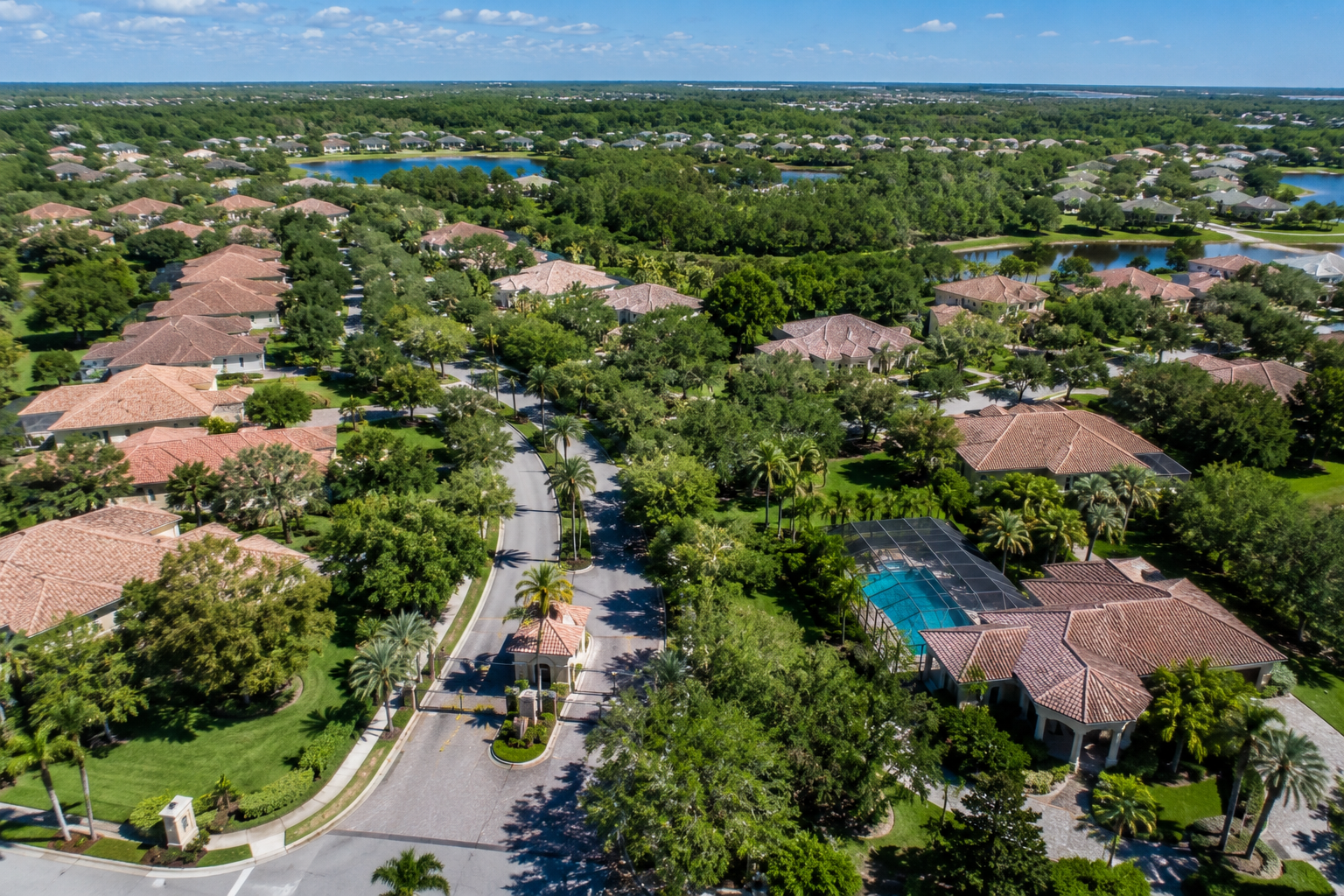
The absence of a CDD in most Dr. Phillips communities is not just a cost difference — it is a governance maturity signal. Communities without CDDs in Dr. Phillips have fully resident-controlled boards, decades of reserve study history, and established vendor relationships. That institutional continuity is why Bay Hill, Vizcaya, and Phillips Landing have maintained their physical presentation and property values through multiple market cycles better than many newer master-planned districts where governance infrastructure is still being tested.
Get a Pre-Listing or Pre-Offer HOA Audit
I pull the reserve study, the estoppel figures, and the non-ad valorem lookup before every client transaction — so there are zero financial surprises at closing.
Direct Strategy Line: (917) 743-8865
Frequently Asked Questions
Does Dr. Phillips Florida have CDD fees?
Most established Dr. Phillips communities — including Vizcaya, Phillips Landing, Bay Hill Cove, Emerson Pointe, and Turtle Creek — are HOA-only and carry no CDD bond assessment. Newer communities such as Ruby Lake and Phillips Grove require individual parcel-level verification through the Orange County Tax Collector's non-ad valorem assessment lookup.
What is the difference between a CDD and an HOA in Florida?
An HOA (Homeowners Association) is a private board governed by Florida Chapter 720 that collects dues to maintain amenities and enforce community rules. A CDD (Community Development District) is a quasi-governmental special district governed by Florida Chapter 190 that finances infrastructure through bond debt, collected on your annual property tax bill.
How do I find out if my Dr. Phillips home has a CDD assessment?
Search your property by address or parcel ID on the Orange County Tax Collector website. Look at the Non-Ad Valorem Assessments section of your tax bill detail. If a CDD is present, it will appear here labeled by district name.
Yousef Zeidan
Luxury Right-Sizing, Downsizing, and Tax-Sensitive Relocation Specialist
Specializing in luxury right-sizing, downsizing, and tax-sensitive relocation in Dr. Phillips, Windermere, and the Butler Chain of Lakes.
- Brokerage: RE/MAX Prime Properties
- License ID: SL3520428
- Phone: +1 (917) 743-8865
- Email: yousef@floridalistings.io
- Office Address: 2713 St Armand Ct, Orlando, FL 32835, USA
Categories
Recent Posts




Request Your Confidential Risk Audit