Buying a Snowbird Home in Dr. Phillips, Florida: What Part-Time Residents Need to Know Before They Commit
⚡ Quick Summary
- The Core Rule: Out-of-state seasonal buyers must strictly document the 183-day threshold to protect against aggressive northern residency audits; furthermore, part-time residents do not qualify for the Florida Homestead Exemption or the Save Our Homes assessment cap, meaning property taxes must be budgeted at full non-homesteaded market values.
- The Logistics: Lock-and-leave convenience dictates community selection along the Restaurant Row corridor; maintenance-free structures like Phillips Bay condos absorb all exterior liabilities, whereas premium detached single-family homes in guard-gated enclaves like Vizcaya or Bay Hill require certified home-watch services.
- The Risk: Standard homeowners insurance policies frequently void critical water-damage or mold claims if a seasonal property sits unoccupied for more than 30 to 60 consecutive days, while rigid neighborhood covenants (CC&Rs) actively prohibit short-term rentals, exposing unvetted investor-buyers to severe HOA fines.
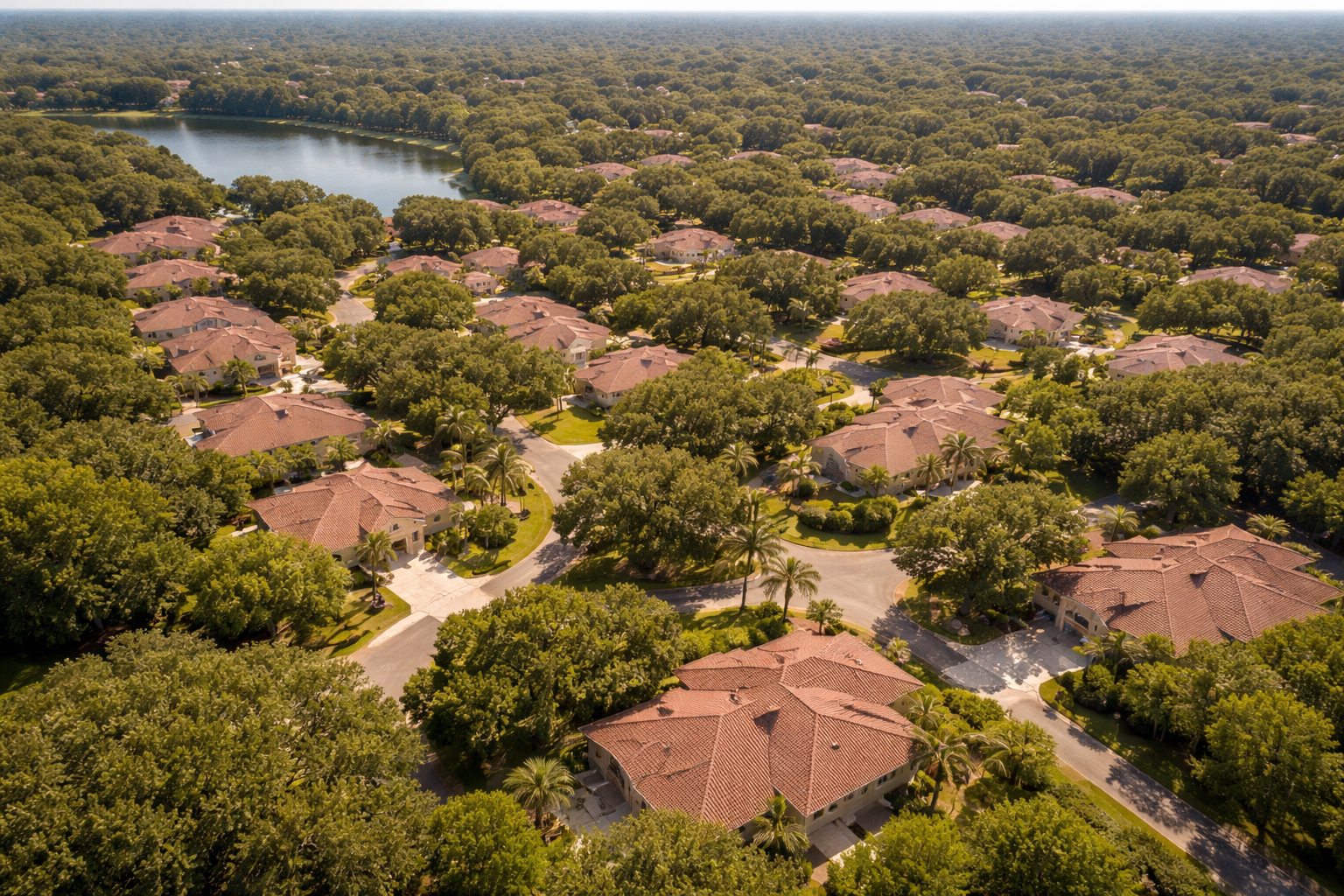
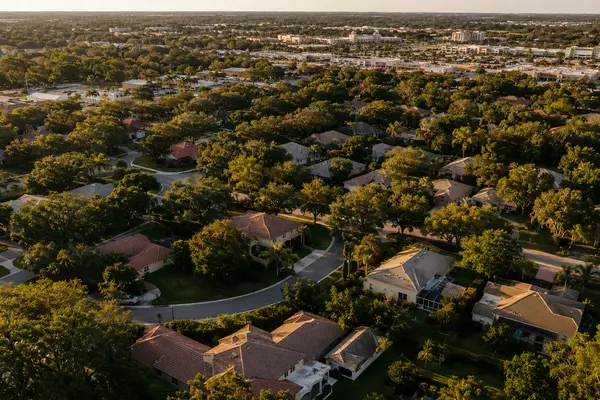
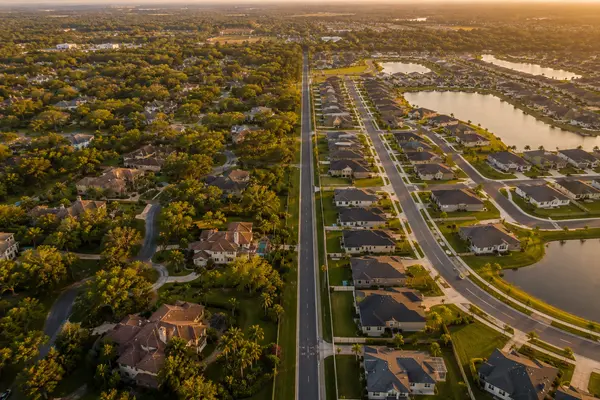
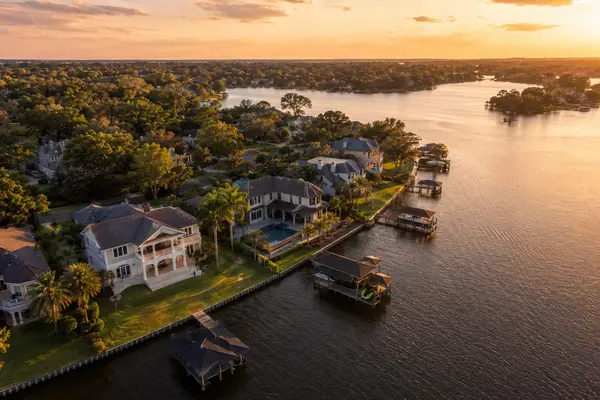
Dr. Phillips is one of the most-requested neighborhoods I hear from out-of-state buyers considering a winter base in the Orlando area. The location is compelling: close to Restaurant Row, short drives to Universal and Disney, established gated communities, and a quieter residential character compared with tourist corridors.
But buying here as a snowbird — someone who plans to spend three to six months a year in Florida and the rest somewhere else — introduces a layer of decisions that most real estate portals simply do not address. This guide is built for that buyer.
👉 Looking to explore the local real estate market? You can view current listings in Dr. Phillips right now to browse all available homes for sale.
Should You Become a Florida Resident or Stay Resident in Your Home State?
This is the single most consequential decision a snowbird buyer faces, and it must be resolved before you shop — not after you close. Florida has no state income tax, which is the headline attraction. But claiming Florida as your legal domicile requires far more than buying a home and getting a Florida driver's license. It requires a genuine shift of life-ties: voter registration, professional advisors, primary banking, and — critically — spending the majority of your year here.
The practical standard most tax authorities apply is the 183-day threshold. If you spend more than 183 days in your former state in any calendar year, that state retains grounds to argue you are still their resident. Any part of a day counts as a full day. The burden of proof falls entirely on you, not on the state auditing you.
The Multi-State Audit Risk
Calendar logs, credit card records, utility bills, and travel receipts must all support your Florida-domicile narrative. One sloppy year — a long stay to care for an aging parent, an extended renovation at your northern home — can trigger a residency audit with serious financial consequences. Engage a CPA or tax attorney who specializes in multistate residency before you make an offer.
Can a Part-Time Dr. Phillips Homeowner Qualify for Florida Homestead Exemption?
Generally, no — not while also maintaining a primary residence and homestead benefit in another state. Florida's homestead exemption can remove up to $50,000 of assessed value from your local property tax calculation, and the Save Our Homes cap limits annual assessment increases to 3% for qualified primary residences. Both benefits are exclusive to legal domicile.
The risk of claiming dual homesteads is real. Orange County's property appraiser maintains cross-reference processes, and some origin states run independent audits. The penalty exposure — back taxes, interest, and fines — typically far exceeds any annual tax savings. For snowbirds using Dr. Phillips strictly seasonally, budget your property taxes at full assessed value with no homestead reduction.
Condo or Single-Family Home: Which Works Better for Seasonal Owners?
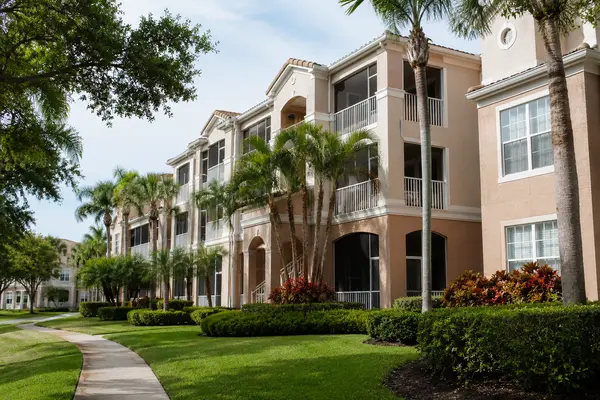
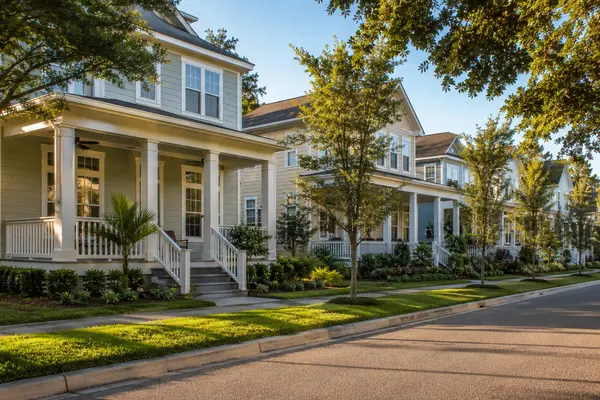
Condos in communities like Phillips Bay offer what snowbirds genuinely need: exterior maintenance handled by the association, staffed gates, no lawn or pool to manage, and a degree of built-in security. The tradeoff is monthly HOA fees — commonly $300 to $600 or more — and reduced privacy.
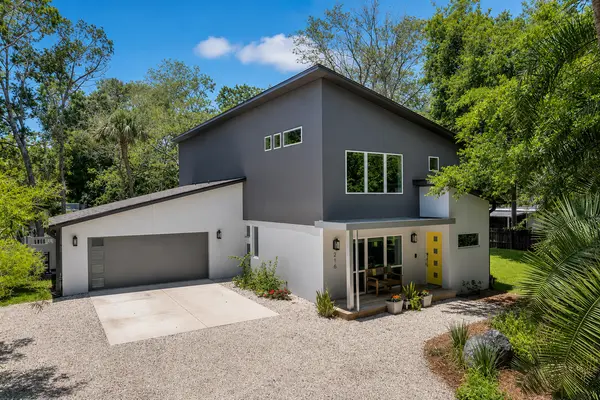
Single-family homes in gated subdivisions like Vizcaya offer more space and long-term versatility if you later transition to full-time Florida living. But a detached home sitting vacant for five or six months requires active management: someone to check for water intrusion, run the AC periodically to prevent mold, clear the property after storms, and coordinate vendor access.
Which Dr. Phillips Neighborhoods Work Best for Lock-and-Leave Ownership?
Vizcaya
Gated, established, mid-to-upper price range. Active HOA, no CDD in most sections. Good for buyers who want single-family lock-and-leave with community management.
Phillips Landing
Larger gated community. HOA covers common areas; individual homes still require exterior upkeep. Buyers here tend to have full-time management resources.
Bay Hill
Golf-course adjacent, older homes that may require more attention to roof and systems condition before insuring as a seasonal property. Strong resale demand.
Phillips Bay (Condos)
Best lock-and-leave option for buyers who do not want any ongoing maintenance responsibility. Higher monthly fees, but maximum operating simplicity.
What Does It Actually Cost to Own a Seasonal Home in Dr. Phillips?
Purchase price is the most visible number and often the least useful one for evaluating total affordability. Here is the carrying cost framework for a $600,000 non-homesteaded property:
- 📄 Property Taxes: Budget roughly $8,000 to $11,000+ annually depending on the assessment. No homestead reduction applies.
- 🏘️ HOA/CDD: $150 to $600 per month in most Dr. Phillips gated communities.
- 🛡️ Homeowner's Insurance: Seasonal-occupancy classification often changes both the premium structure and the claims language. Get a quote before you go under contract.
- 🌊 Flood Insurance: Separate from standard policies. Not expensive, but worth carrying given Central Florida's rainfall.
- 🛠️ Property Management: If away six months of the year, budget for professional oversight.
What Are the Insurance Rules for Seasonal Homes in Central Florida?
Seasonal-occupancy insurance is a distinct category from primary-residence coverage, and conflating the two is one of the most common — and costly — mistakes snowbird buyers make.
The Vacancy Clause Danger
A standard homeowner's policy written on a primary-residence assumption may contain occupancy provisions that void water-damage claims if the home sits unoccupied beyond a specified period — often 30 to 60 consecutive days. Confirm that your policy language covers water damage, mold remediation, and vacant-period liability under your actual usage pattern.
What Are the Risks of Renting Out a Dr. Phillips Home When You Are Away?
Renting your Dr. Phillips home while you are out of state is legally possible in most cases, but the constraints depend almost entirely on your specific community's HOA governing documents. Many gated Dr. Phillips communities restrict or prohibit short-term rentals (defined variously as anything under 30, 60, or 90 days). Violating these restrictions can result in HOA fines, forced lease termination, and legal action.
When Is the Best Time to Buy in Dr. Phillips as a Snowbird?
The instinct is to shop during peak winter season. The problem is that everyone else is competing for the same homes during the same window. The strategic window for snowbird buyers who want better negotiating position is late spring through summer. Sellers who have not moved their property through peak season are typically more flexible on price, terms, and repair concessions.
Frequently Asked Questions
How many days per year can I stay in Dr. Phillips without risking residency issues in my home state?
The 183-day threshold is the most common reference point, but state rules vary. Staying fewer than 183 days in your origin state is not automatically sufficient — domicile factors like where your home, voting registration, and professional ties are located also matter.
What are closing costs in Dr. Phillips for an out-of-state buyer?
Typically 2% to 5% of purchase price. Cash buyers trend toward the lower end. Financed second-home purchases include additional lender fees, appraisal, and sometimes higher title insurance costs.
What is the typical closing timeline for a snowbird buyer in Dr. Phillips?
Best case: 30–35 days for a pre-approved buyer. Typical: 45–60 days when HOA approvals, insurance underwriting, and out-of-state document coordination are involved.
Is hurricane risk significant in Dr. Phillips compared with coastal Florida?
Dr. Phillips carries meaningfully lower wind and storm-surge risk than coastal properties. But inland Central Florida is not immune — roof condition and proximity to lakes still drive insurance outcomes. A four-point inspection before purchase is essential for any home over 20 years old.
Ready to Secure Your Florida Base?
Let's map out the lock-and-leave communities, audit the non-homestead tax implications, and find the right property for your seasonal lifestyle.
Private Tax-Sensitive Relocation Strategy
Yousef Zeidan
Luxury Right-Sizing, Downsizing, and Tax-Sensitive Relocation Specialist
Specializing in luxury right-sizing, downsizing, and tax-sensitive relocation in Dr. Phillips, Windermere, and the Butler Chain of Lakes.
- Brokerage: RE/MAX Prime Properties
- License ID: SL3520428
- Phone: +1 (917) 743-8865
- Email: yousef@floridalistings.io
- Office Address: 2713 St Armand Ct, Orlando, FL 32835, USA
Categories
Recent Posts


Request Your Confidential Risk Audit