
Dr. Phillips Home Insurance Costs in 2026: What Your Roof Age, Flood Zone, and CDD Status Actually Mean for Resale Value
⚡ Quick Summary
- The Core Reality: Navigating the 2026 Southwest Orlando real estate market requires an accurate grasp of structural carry variances over simple list prices, capitalizing on a mature inventory base that completely bypasses the costly non-ad valorem CDD infrastructure assessments native to newer master-planned corridors.
- The Financials & Carry: Escalating exposure limits place a steep financial premium on pre-sale liability management, transforming the out-of-pocket load of localized plumbing updates or a new standing seam metal roof upgrade into direct valuation anchors by capturing maximum structural wind mitigation credits.
- The Underwriting & Nuance: Transaction velocity is stringently gatekept by private carriers enforcing an aggressive 15-year asphalt shingle certification threshold that triggers late-stage financing rejections, demanding that market participants proactively parse site-specific Risk Rating 2.0 flood elevations alongside fixed high school attendance boundaries.
Florida's property insurance market restructured faster than most Dr. Phillips homeowners anticipated. If you're buying, selling, or simply trying to hold onto your home's equity, the decisions you make about your roof, your flood zone classification, and your subdivision type will shape your carrying costs — and your buyer pool — more than any interest rate shift in 2026.
Why Is Homeowners Insurance in Dr. Phillips So Expensive Right Now?
Florida home insurance costs rose sharply over the last few years, with multiple industry reports tracking premium adjustments across the state. Dr. Phillips, with its concentration of 1990s–2010s resale inventory, sits squarely in the risk profile that private carriers are pricing most aggressively. The combination of aging roof stock, lakefront exposure, and proximity to FEMA-designated flood corridors means some homeowners are paying premiums that rival a meaningful share of their monthly mortgage payment.
In my experience working with sellers across established Orlando luxury communities like Phillips Landing and Vizcaya, the single most common closing surprise isn't the appraisal gap — it's the buyer's lender flagging that the available insurance quote pushes the debt-to-income (DTI) ratio over conforming limits. That's a deal-killer that never shows up in a standard online estimate.
To understand how these numbers stack against your total out-of-pocket overhead, it is critical to model the complete hidden carrying costs of real estate before going under contract. For a broader view of regional benchmarks, the Florida Office of Insurance Regulation publishes ongoing carrier and rate action data.
What Are Florida's 2026 Roof Age Rules, and How Do They Affect Sellers?
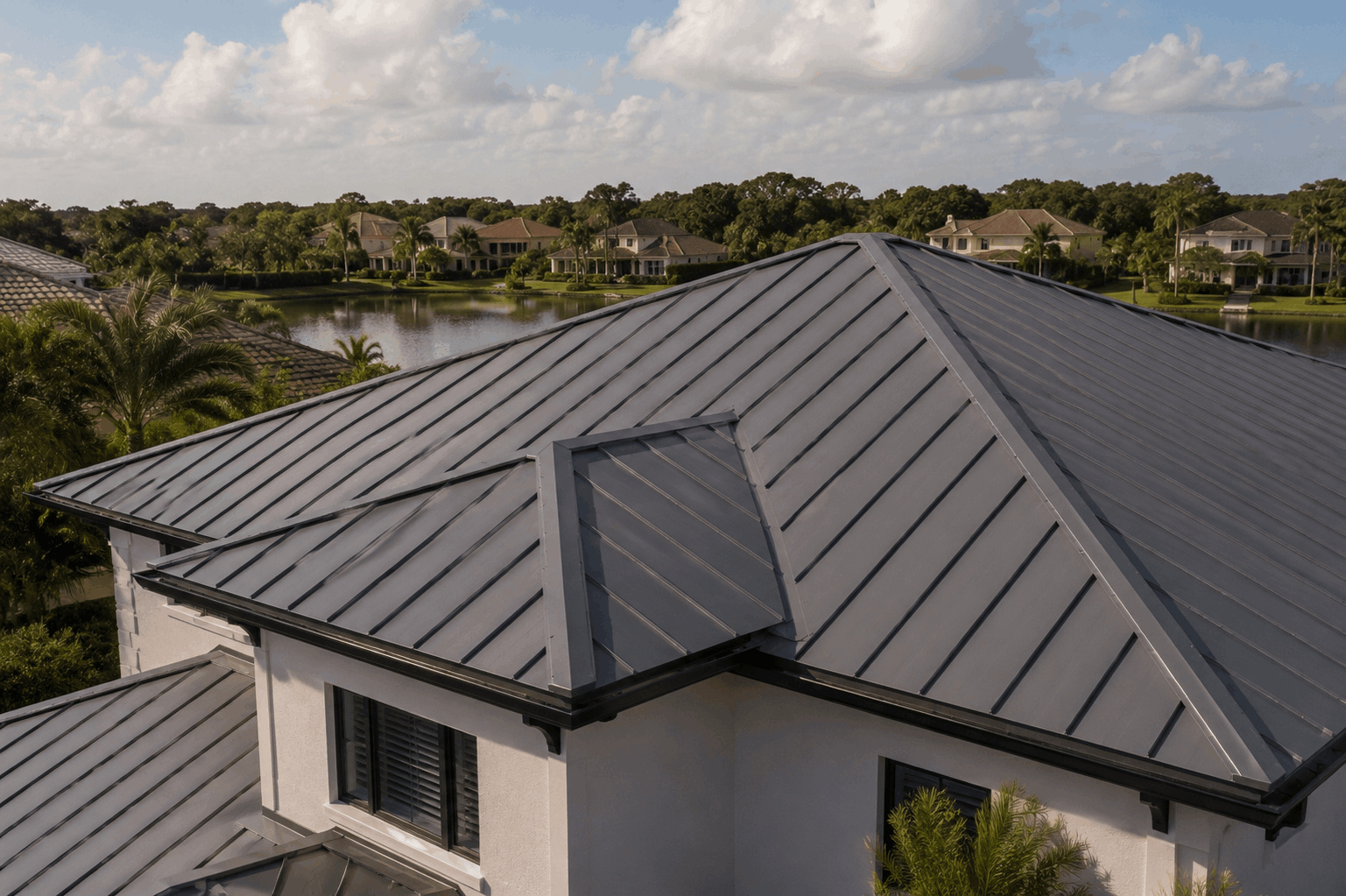
There is no single universal roof age cutoff that applies to all carriers in Florida — but around the 15-year mark, most insurers begin requiring certification of a roof's remaining useful life before they will write or renew coverage. For Dr. Phillips sellers with asphalt shingle roofs installed in the 2000s, this underwriting threshold is a direct threat to marketability: a roof that can't be certified will fundamentally create a narrowed buyer pool restricted to cash purchasers.
The Financing Roadblock
Here's the insider nuance most agents won't tell you: the roof age issue isn't just an insurance problem — it's a de facto financing trigger. Fannie Mae and Freddie Mac guidelines require that a home be insurable as a condition of loan approval. If a buyer's insurance agent cannot bind a policy because the roof fails a 4-point inspection, the mortgage doesn't close. This means a seller with an aging, uncertified asset isn't facing a negotiation discount — they're facing a structural roadblock.
Asphalt Shingle Roofs
Around the 15-year mark, most carriers require inspection and remaining-useful-life certification; thresholds vary from 10–20 years by carrier.
Clay / Concrete Tile Roofs
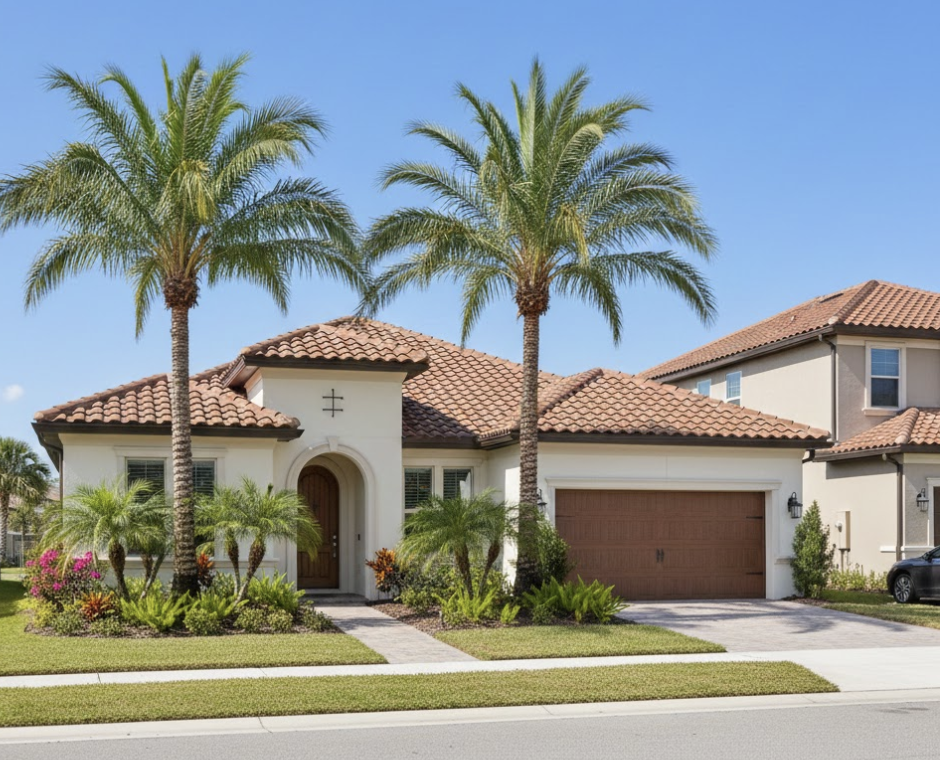
Generally accepted by underwriters up to 20–25 years, provided they pass a strict structural wind mitigation report.
Standing Seam Metal
Yields the highest wind mitigation credit. Accepted by virtually all carriers and highly favorable for capturing maximum resale value.
The calculus I walk sellers through: a standing seam metal roof replacement runs approximately $22,000–$35,000 for a typical 2,400 sq. ft. home, and in many cases qualifies for a wind mitigation credit that can reduce annual insurance premiums by $900–$1,800. A buyer who can finance the home and carry a lower insurance premium will often absorb that cost in their offer price.
Should You Accept or Decline a Citizens Insurance Takeout Offer?
When a private insurer makes a takeout offer to assume your Citizens policy, Florida law typically allows a limited window to opt out and remain with Citizens — but the ability to decline depends on the premium comparison threshold established by the state. Staying with Citizens isn't always the right answer, particularly for homes with newer roofs or favorable wind mitigation scores.
The decision framework I use with clients is three-pronged:
- Is the takeout carrier A-rated by Demotech or carrying an equivalent rating acceptable to your lender?
- Is the quoted premium genuinely competitive with the current Citizens rate?
- Does the policy's hurricane deductible structure match your liquid reserves? A 2% calendar-year hurricane deductible on a $700,000 home means a $14,000 out-of-pocket exposure before the policy responds.
That deductible is not a footnote, it's a household financial planning decision that impacts seasonal and full-time owners alike who are attempting to optimize their Florida property portfolios.
HOA-Only vs. CDD Communities: The Hidden Insurance Trade-Off
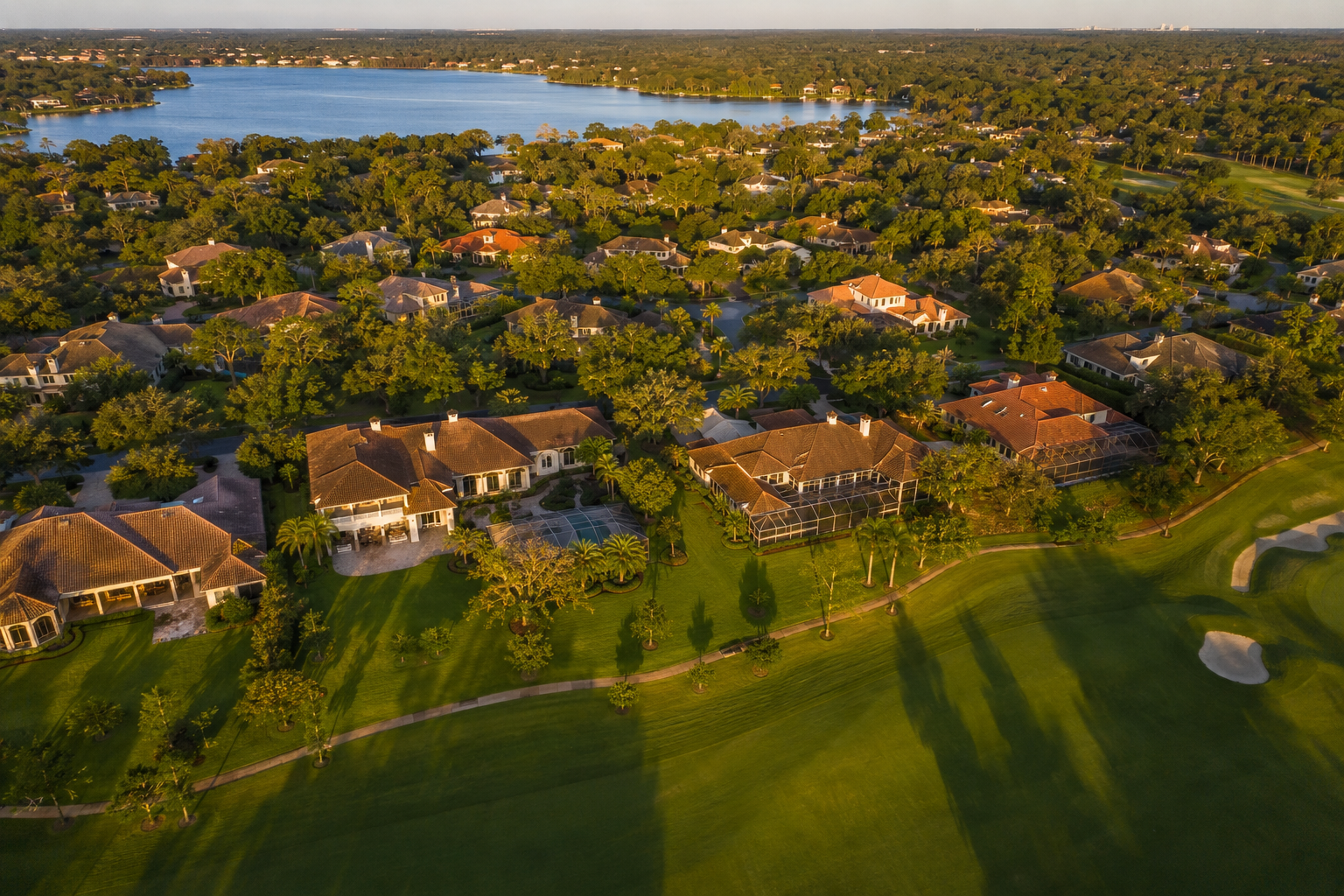
Dr. Phillips' established subdivisions — Phillips Landing, Vizcaya, Bay Hill, Turtle Creek — are HOA-only communities with no Community Development District (CDD) tax assessment. New master-planned communities in adjacent submarkets like Horizon West or Lake Nona carry CDD assessments that can run $1,500–$4,000 per year, permanently embedded in the property tax bill.
This distinction matters enormously in a high-insurance-cost environment. When I model total carrying costs for a buyer, choosing an option with no CDD fees versus master-planned liabilities reveals a significant aggregate variance. A home carrying a $2,800 annual CDD assessment often costs $200–$350 more per month in hidden carry.
Furthermore, new construction in CDDs is frequently located outside the Dr. Phillips High School attendance zone. Buyers executing a corporate move or tax domicile relocation frequently name this specific high school zone as a non-negotiable search filter, as it commands a measurable resale premium.
Flood Insurance in Dr. Phillips: Zone X vs. FEMA-Designated Zones
The majority of Dr. Phillips residential inventory sits in FEMA Flood Zone X, meaning flood insurance is not federally required as a condition of conventional financing. However, "not required" and "not needed" are different conclusions — several streets adjacent to the Butler Chain of Lakes carry localized exposure that a Zone X designation doesn't fully capture at the individual parcel level.
An optional NFIP flood policy often falls in the $500–$900 range for most Zone X homes, though actual premiums vary under FEMA's Risk Rating 2.0 methodology. To review how water access interacts with value, check out our guide on Butler Chain proximity and resale value or the realities of moving off a lakefront estate.
Plumbing System Red Flags: What Buyers Are Flagging
The Polybutylene Hazard
Homes built between approximately 1985 and 1995 may contain polybutylene supply lines — a material that is now a known inspection flag and a severe insurance underwriting concern. A full repipe to CPVC or PEX typically costs $4,000–$8,000 for a standard single-family home. This should be disclosed and documented regardless of whether a seller chooses to address it pre-listing, as failing to do so will almost certainly derail buyer financing.
Sellers with homes in this vintage range should consider completing a plumbing review early and utilize our strategic tips to stage their home for downsizer buyers who prioritize turn-key mechanical condition over cosmetic fixes.
What Dr. Phillips Buyers and Sellers Should Do Right Now
- Sellers: Order a wind mitigation inspection and a 4-point insurance inspection before setting your list price. These reports take 10–14 days and determine whether your buyer pool includes financed buyers or only cash.
- Buyers: Get an insurance quote — not an estimate, an actual bindable quote — before making an offer on any home built before 2010. The difference between an insurable and an uninsurable property can be invisible until it kills your financing.
- Both: Verify the specific flood zone designation of the parcel at the FEMA Flood Map Service Center. Verify the school zone boundary directly with Orange County Public Schools. These are not details to confirm after mutual acceptance.
Request a Pre-Listing De-Risking Audit
Don't wait for a buyer's inspector to dictate the terms of your sale. Let's review your home's roof age, polybutylene plumbing status, and wind-mitigation potential so you can list with absolute confidence.
Direct Strategy Line: (917) 743-8865
Frequently Asked Questions
Why is homeowners insurance so expensive in Dr. Phillips right now?
Dr. Phillips contains a high concentration of premium 1990s-2010s construction stock with aging roofs, significant lakefront storm exposures, and potential polybutylene piping vulnerabilities. Private carriers have aggressively repriced risk in the 32819 zip code following structural litigation resets, transforming property insurability into a prime parameter for transaction loan approval.
What is the 15-year roof age threshold for Florida home insurance?
Under standard Florida underwriting practices, when an asphalt shingle roof reaches 15 years of age, private insurance carriers can refuse to issue new policies or require strict third-party useful-life certifications. Because Fannie Mae and conventional guidelines require bindable hazard coverage, an aging, uncertified roof can trigger a late-stage financing denial.
Should a Dr. Phillips seller replace an older roof before listing or offer a buyer credit?
Replacing an over-aged roof pre-listing is mathematically superior. Most major lenders restrict closing credits to contractor written repair estimates and private hazard insurers will flatly refuse coverage based on age parameters. Funding a new standing seam metal or updated shingle roof expands the available buyer pool, avoids back-on-market stigmas, and yields cleaner contracts.
Yousef Zeidan
Luxury Right-Sizing, Downsizing, and Tax-Sensitive Relocation Specialist
Specializing in luxury right-sizing, downsizing, and tax-sensitive relocation in Dr. Phillips, Windermere, and the Butler Chain of Lakes.
- Brokerage: RE/MAX Prime Properties
- License ID: SL3520428
- Phone: +1 (917) 743-8865
- Email: yousef@floridalistings.io
- Office Address: 2713 St Armand Ct, Orlando, FL 32835, USA
Categories
Recent Posts


Request Your Confidential Risk Audit