Should You Downsize Your Winter Park Luxury Home? The Financial Realities of Rightsizing
⚡ Quick Summary
- The Core Choice: Downsizing or rightsizing a luxury asset in Winter Park's historic core (32789) demands navigating a steep baseline (~$1.3M median) and tight supply, pushing empty nesters toward low-maintenance, fee-simple townhomes near Park Avenue to shed operational drag.
- The Tax & Fee Realities: Florida's Save Our Homes (SOH) portability is strictly proportional when downsizing to a lower-value property—pro-rating your transferable cap relative to the replacement ratio rather than granting a flat $500,000 transfer. Additionally, unlike newer developments in Lake Nona, established Winter Park addresses benefit from $0 in non-ad valorem CDD infrastructure debt.
- The Critical Risks: Multi-story condo buyers face extreme financial exposure to post-Surfside safety mandates (SB 4-D / SIRS) that have spiked monthly HOA fees from $400 to over $2,000 in underfunded buildings. Legacy detached purchases are further gatekept by automatic 90-day historic demolition delays and mandatory $18,000–$22,000 septic-to-sewer municipal connection fees on legacy lakefront lots.
The bottom line: Many homeowners use the term "downsizing," but in the high-end market, executing a transition out of a legacy estate is actually a multi-layered financial restructuring.
Effectively rightsizing a luxury home in Winter Park, FL is not a simple trade-down. It involves Florida's Save Our Homes portability math, post-Surfside condominium reserve laws, historic preservation delays, and an atmospheric insurance market that is stabilizing — but still expensive. This guide gives you the exact frameworks to make the right call.
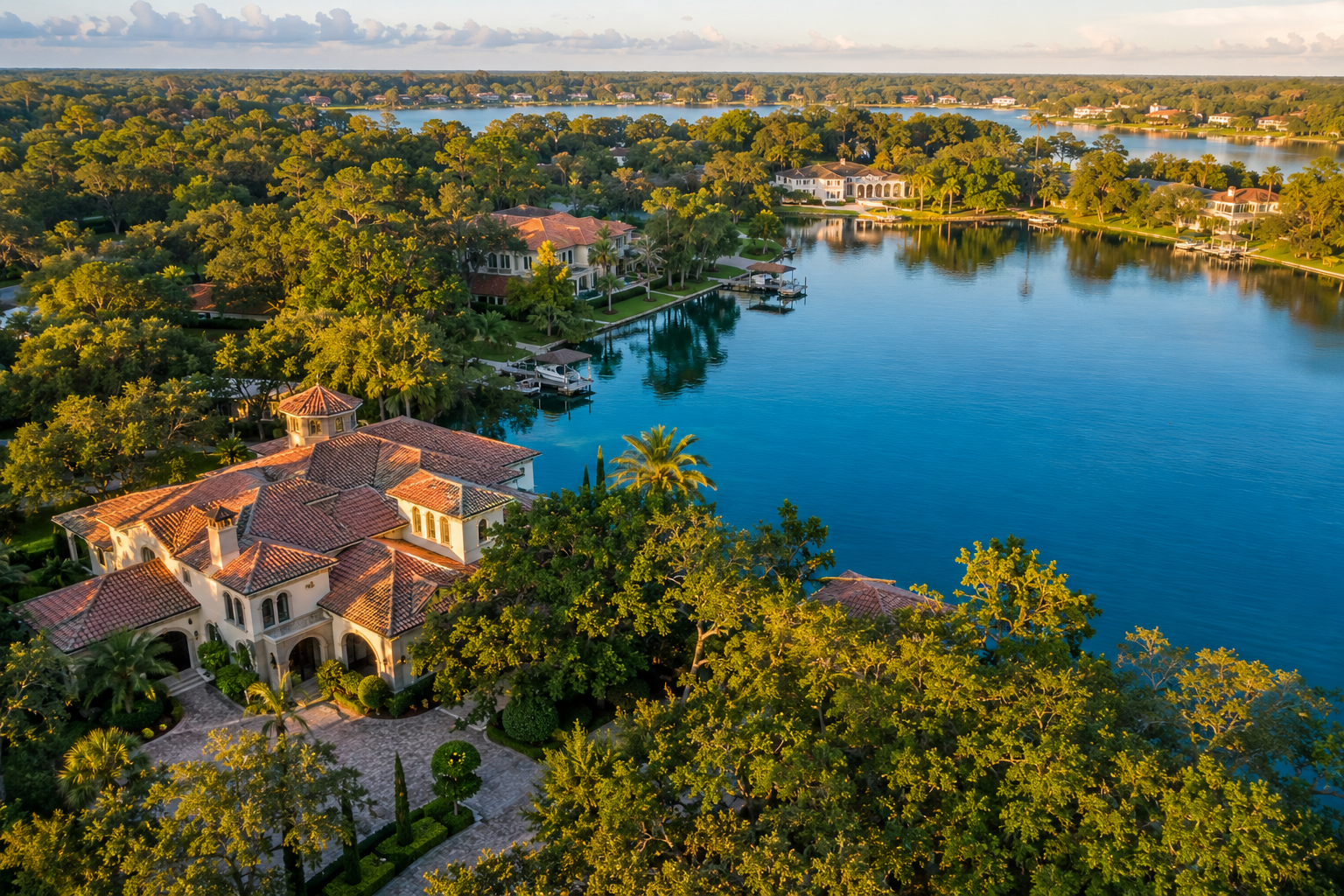
Downsizing vs. Rightsizing for Winter Park Luxury Homeowners
Downsizing simply means shrinking your square footage, whereas rightsizing is the strategic reallocation of your residential equity into a property that matches your current lifestyle without sacrificing premium quality.
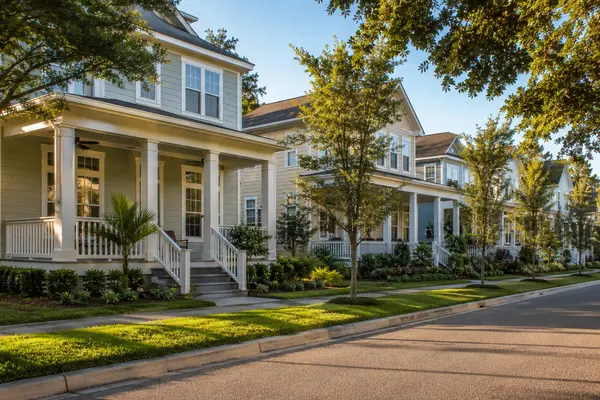
In the Winter Park luxury market as of mid-2026, this means navigating a historic core (ZIP 32789) against suburban alternatives in 32792 and attached luxury townhomes on Park Avenue.
- 32789 (Historic Core): Park Avenue walkability, tight supply, and full exposure to historic preservation restrictions. View exclusive options via my curated Winter Park portfolio.
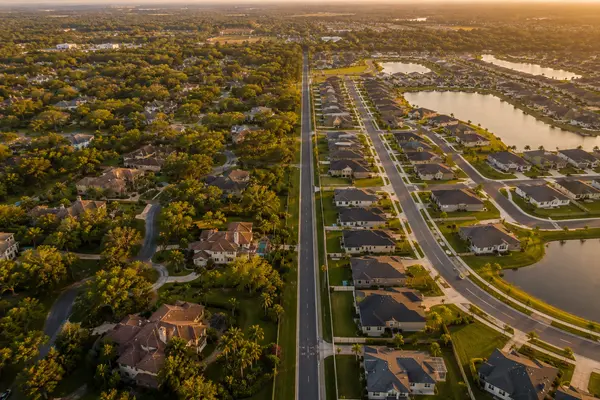
- 32792 (East/Suburban): Lower entry points and shorter days on market, but lacks Park Avenue lifestyle and walkable access to high-end retail.
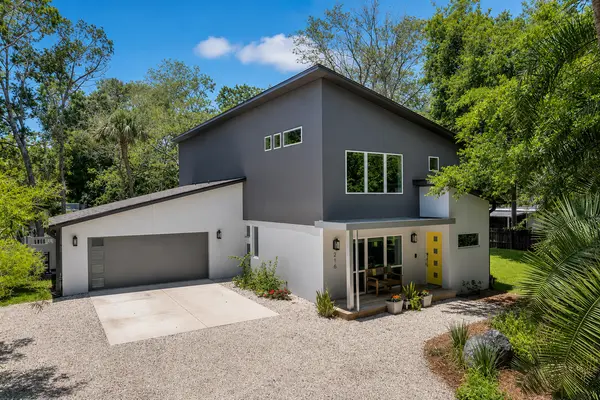
- Park Avenue Luxury Townhomes: Ideal for luxury downsizing. High per-square-foot pricing, but features minimal SIRS exposure due to newer fee-simple construction frameworks.
The Save Our Homes Portability Formula for Downsizing Transactions
When you downsize your home to a property with a lower market value in Florida, you do not carry your full Save Our Homes (SOH) benefit to the new address. You carry a proportional share — and calculating that downsized number before you close is one of the most financially significant steps in the entire transaction.
Portable SOH Benefit = New Home Just Value × (Old SOH Benefit ÷ Old Just Value)
Example: If your current home has a just value of $2,000,000 and an accumulated SOH benefit of $800,000 (gated at $500,000 for transfer), and you purchase a replacement home with a just value of $1,200,000, your portable benefit is: $1,200,000 × ($500,000 ÷ $2,000,000) = $300,000 — not the full $500,000 cap many homeowners assume.
You must file a transfer application using Florida homestead portability guidelines by March 1st of the new tax year, and you must establish the new homestead by January 1st of that same year. Missing this window by even one tax cycle can permanently eliminate your accumulated savings.
The Downsizing SIRS Liability: Why the Wrong Condo Could Cost You $2,000/Month More
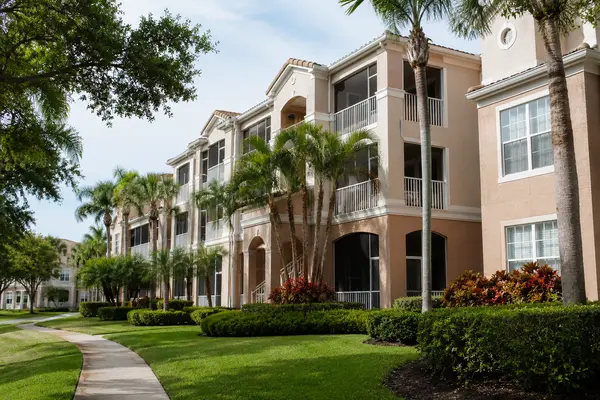
Senate Bill 4-D — Florida's post-Surfside condominium safety legislation — requires any building over three stories to complete a Structural Integrity Reserve Study (SIRS) and fully fund reserves for critical structural components.
For empty nesters looking at downsizing into an older Winter Park mid-rise condominium with underfunded reserves, compliance has pushed monthly HOA fees from $400 to over $2,000 in documented cases.
- What to request before any condo offer: Ask for the most recent SIRS report, the current reserve funding percentage, and the last three years of meeting minutes. Any underfunding gap will translate directly into an assessment or fee spike.
- Lower-risk alternative: Fee-simple townhomes located near premier luxury communities carry reasonable HOA fees and have minimal shared structural exposure — no elevator shafts, no common-area roofing on multi-story slabs, no SIRS mandate.

The 90-Day Historic Demolition Delay
The Vias Neighborhood Trap
This is the rule most real estate platforms — including Zillow and Redfin — never surface in their listing data. Any property listed in the Florida Master Site File, regardless of whether it is formally on the Winter Park Historic Register, triggers an automatic 90-day administrative delay if a demolition permit is requested.
For a buyer purchasing with redevelopment intent — replacing an older Vias-area home with a customized, lower-maintenance structure — this delay can stall plans by a full quarter, during which preservation groups have standing to seek alternative buyers.
CDD Fees vs. HOA-Only Carrying Costs: Tracking the Hidden Liabilities
Community Development District (CDD) fees appear as non-ad valorem assessments on your Orange County property tax bill — not in the HOA dues field on the MLS. This means buyers looking at downsized options across submarkets routinely undercount baseline costs.
- Dr. Phillips (32819/32836): Established neighborhoods like Bay Hill and Vizcaya carry $0 in CDD fees and only modest HOA dues, making true cost comparisons favorable.
- Lake Nona (Laureate Park): Annual CDD fees range from $1,500 to $3,500 per home on top of HOA dues, reflecting infrastructure bonds that will remain on the tax bill for 20 to 30 years.
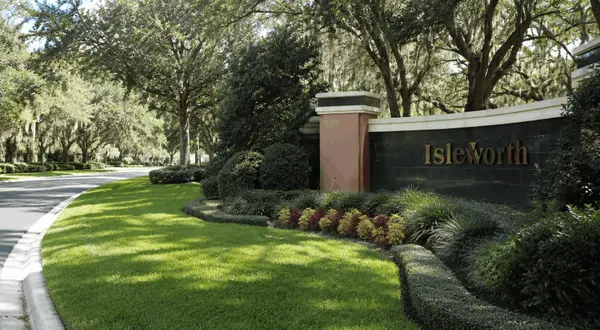
- Isleworth / Keene's Pointe (Windermere): HOA fees of $4,800 to $13,500 annually are separate from mandatory five-figure club initiation fees. These enclaves offer unmatched estate privacy and golf amenities, but total carrying costs require careful modeling.
Septic-to-Sewer: Hidden Closing Liabilities on Lakefront Acquisitions
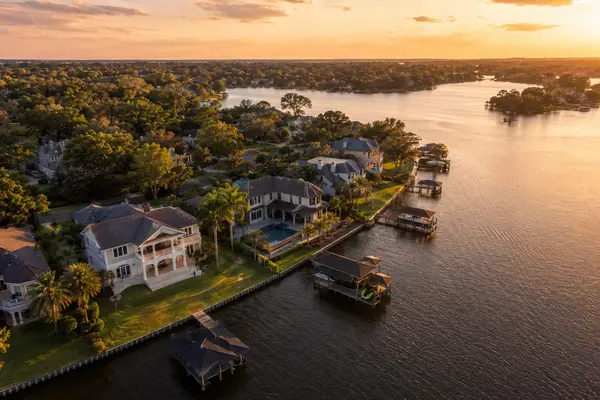
Classic lakefront properties in Winter Park and the surrounding chain-of-lakes corridor are some of the most coveted assets in Central Florida — but many sit on aging septic systems subject to mandatory conversion requirements.
Florida law requires lots under one acre with conventional septic tanks to connect to the municipal sewer system or install an enhanced nitrogen-reducing system within one year of official notice that a municipal line is available. Estimated connection costs of $18,000 to $22,000 include decommissioning the existing tank, professional plumbing, and permit fees.
Before moving forward with a target address, confirm the septic status and municipal availability while performing a complete audit of potential factors that hurt resale value.
Closing Cost Reality: What You Will Pay at the Table in Orange County
Central Florida's closing cost customs differ from many other Florida markets. Reviewing exactly what property taxes and fees cost in Orlando keeps your financial expectations aligned.
Deed Doc Stamps
$0.70 per $100 of sale price
Paid By: Seller
Owner's Title Insurance
~$5.75/$1,000 (first $100k)
Paid By: Seller (OC Custom)
Mortgage Doc Stamps
$0.35 per $100 of loan amount
Paid By: Buyer
Mortgage Intangible Tax
$0.20 per $100 of loan amount
Paid By: Buyer
Transaction Timeline: Planning the Transition Lifecycle
Based on current market absorption in the 32789 luxury core — where properties average 63 to 65 days from listing to closing — empty nesters should build a realistic transition window rather than relying on standard online indicators.
- Best case (cash, clean title, no historic or SIRS issues): 30–45 days
- Typical case (financed buyer, standard SOH audit, insurance negotiations): 90–120 days
- Worst case (SIRS-triggered renegotiation, historic delay, septic-to-sewer dispute): 180+ days
Start Your Rightsizing Strategy Session
Ready to model your proportional portability transfer ceiling, evaluate building-specific SIRS liabilities, or review private carrier underwriting parameters before downsizing your luxury asset? Let's connect.
Direct Consultation Line: (917) 743-8865
Frequently Asked Questions
What is the difference between downsizing and rightsizing a Winter Park luxury home?
Downsizing focuses strictly on minimizing total square footage or physical property boundaries. Rightsizing represents the strategic reallocation of equity into a low-maintenance luxury asset (like a premier fee-simple townhome near Park Avenue) that streamlines operational carry cost drag without sacrificing high-end architectural amenities or lifestyle prestige.
How does Florida tax portability work when downsizing to a lower-value property?
When downsized properties carry a lower market value than the prior residence, your transferable Save Our Homes (SOH) tax protection is pro-rated rather than carried as a flat sum. The appraiser determines your portable cap by multiplying the just value of your new replacement home by the percentage ratio of your previous residence's capped benefit differential over its original gross market value.
What building compliance risks affect empty nesters purchasing Winter Park condominiums?
Under Florida Senate Bill 4-D, multi-story condominium buildings over three stories must fully fund structural reserves via a mandated Structural Integrity Reserve Study (SIRS). Purchasing into legacy units with underfunded capitalization pools can lead to unexpected, severe monthly HOA fee spikes or major special assessments.
Yousef Zeidan
Luxury Right-Sizing, Downsizing, and Tax-Sensitive Relocation Specialist
Specializing in luxury right-sizing, downsizing, and tax-sensitive relocation in Dr. Phillips, Windermere, and the Butler Chain of Lakes.
- Brokerage: RE/MAX Prime Properties
- License ID: SL3520428
- Phone: +1 (917) 743-8865
- Email: yousef@floridalistings.io
- Office Address: 2713 St Armand Ct, Orlando, FL 32835, USA
Categories
Recent Posts


Request Your Confidential Risk Audit