
Should You Downsize Your Dr. Phillips Home? 2026 Carrying Cost & Equity Audit
⚡ Quick Summary: Dr. Phillips Downsizing & Equity Audit
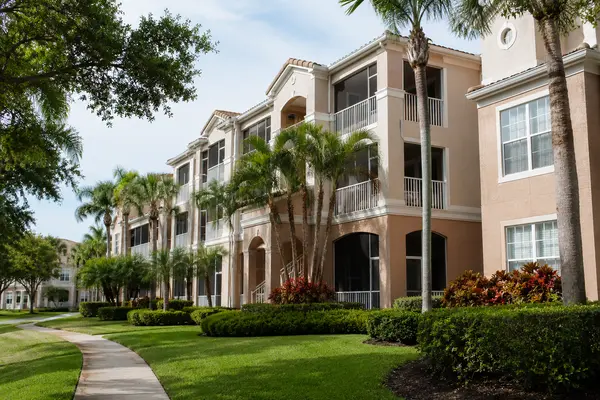
- The Carrying Cost Elimination: Transitioning from an aging 4,500+ sq. ft. estate in Dr. Phillips (Bay Hill, Phillips Landing, or Sand Lake Hills) into a modern 2,400–2,800 sq. ft. single-story villa or fee-simple townhome recovers $25,000 to $45,000 annually in eliminated roof maintenance, pool care, grounds upkeep, and multi-zone HVAC cooling.
- Tax Cap Portability (Form DR-501T): Long-term Florida homesteaders can transfer up to $500,000 of accumulated assessment differential to their replacement residence. When downsizing to a home of lesser market value, the benefit scales down proportionally, insulating your new property from an unmitigated Year 1 tax reset.
- Simultaneous Closing Without Displacement: Sellers can avoid moving twice or taking on bridge debt by negotiating a structured 30-to-60 day post-closing occupancy agreement (leaseback), allowing net sale proceeds to fund the new purchase on the same day while giving you time to move comfortably.
Quick Match: Which Central Florida Corridor Fits Your Move?
- 📍 Best for Fine Dining & Location: Dr. Phillips (Restaurant Row, $0 CDD)
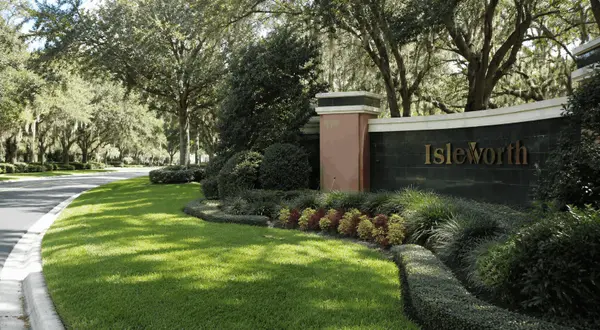
- 🛡️ Best for Guard-Gated Privacy: Windermere (Butler Chain Lakefront, Isleworth)
- 🚶 Best for Historic Walkability: Winter Park (Park Avenue Historic Core)
- 🏥 Best for Modern Healthcare Access: Lake Nona (Medical City, SR-417 Corridor)
If you have owned a home in Dr. Phillips or Windermere for more than a decade, your property has likely evolved into one of your most substantial illiquid balance sheet assets. In advising local homeowners along the Sand Lake Road corridor through The Diplomatic Advantage, a successful downsizing transition is never an admission of compromise—it is a calculated wealth-preservation strategy designed to eliminate property drag while redeploying trapped equity into liquid, high-yielding investments.

Estate vs. Villa vs. Townhome: 10-Year Carrying Cost Comparison
| Carrying Cost Category | Legacy Estate (4,800 Sq. Ft.) | Luxury Villa (2,500 Sq. Ft.) | Fee-Simple Townhome (2,200 Sq. Ft.) |
|---|---|---|---|
| Ad Valorem Property Taxes | ~$22,000 / yr ($1.8M value) | ~$12,500 / yr (Ported SOH cap) | ~$9,800 / yr (Ported SOH cap) |
| Hazard & Wind Insurance | ~$11,500 / yr (Older roof/code age) | ~$4,200 / yr (Wind mitigation credits) | ~$2,800 / yr (HO-6 interior policy) |
| Pool, Grounds & Irrigation | ~$9,600 / yr (Private 1/2-acre lot) | ~$4,800 / yr (HOA-maintained) | $0 / yr (Included in base HOA) |
| Mechanical & Capital Reserves | ~$7,500 / yr (Multi-HVAC units, pumps) | ~$2,000 / yr (Single modern system) | ~$1,500 / yr (Turnkey interior) |
| CDD Debt Assessments | $0 / yr (Established Dr. Phillips) | $0 / yr (Established Dr. Phillips) | $0 / yr (Dellagio / Vizcaya node) |
| Total Annual Operating Carry | ~$50,600 / yr | ~$23,500 / yr | ~$14,100 / yr + HOA dues |
For empty nesters, continuing to carry a multi-level estate with empty bedrooms and aging mechanicals costs between $25,000 and $35,000+ each year in excess holding friction compared to executing a clean right-sizing move into a villa or townhome. Detailed modeling of these carrying line items is available in our report on The Real Cost of Staying in a Large Orlando Home.
Defining "Right-Sizing" vs. "Downsizing" in Luxury Real Estate
Traditional downsizing implies sacrifice: fewer square feet, reduced finish quality, and smaller living areas. For high-net-worth homeowners across Southwest Orlando, the objective is fundamentally different: right-sizing.
Right-sizing focuses on optimizing architectural utility without sacrificing finish quality. It means transitioning from a 5,000+ sq. ft. multi-story floor plan into a 2,500–3,000 sq. ft. single-story custom villa or brownstone that retains 10-to-12-foot ceilings, Sub-Zero refrigeration, custom millwork, and private courtyard pools—while eliminating guest suites that sit unoccupied 50 weeks a year. Review our comparative framework in Downsizing vs. Right-Sizing in Orlando.
The Renovation Trap vs. Selling to Buy Turnkey
When an estate begins to feel too large, homeowners often consider renovating rather than moving. However, modifying a 1980s or 1990s multi-level home in communities like Bay Hill, Sand Lake Hills, or Orange Tree to accommodate universal aging-in-place design (such as moving the primary bedroom to the ground floor, leveling sunken living rooms, and expanding doorways) carries substantial risks:
- $200–$250+ Per Square Foot: Full gut-renovations routinely scale into six-figure commitments that rarely return dollar-for-dollar equity upon resale.
- Permitting & Contractor Delays: Managing complex architectural renovations requires 8 to 14 months of oversight, during which you must either live in a construction zone or incur double housing costs.
- Structural Plumbing & Electrical Hurdles: Homes older than 25 years often feature cast-iron under-slab drainage or electrical configurations that fail 4-Point inspections during buyer financing. See our detailed comparison in Character Homes vs. New Construction in Dr. Phillips.
Section 121 Tax Exclusion & Cash Leverage
Under Internal Revenue Code Section 121, married couples filing jointly can exclude up to $500,000 of capital gain ($250,000 for single filers) from federal taxation upon the sale of their primary residence, provided they owned and occupied the property for at least two of the five years preceding the sale. Liquidating an unencumbered estate allows you to redeploy that equity as an all-cash buyer on a downsized villa—bypassing commercial lending rates entirely and securing preferred pricing terms.
The "Boomerang Effect": Why Relocating Out of 32819 Often Backfires
Many downsizers are tempted by the lower price-per-square-foot metrics in outlying counties like Lake (Clermont, Groveland) or Osceola (St. Cloud). However, within 18 to 24 months, a significant percentage of these buyers experience the local "Boomerang Effect"—actively searching for a way back to Dr. Phillips.
Moving away means surrendering immediate, low-stress access to Orlando Health Dr. P. Phillips Hospital, fine dining on Restaurant Row, private golf clubs, and Butler Chain boating. The added 40 to 60 minutes of daily traffic along the Turnpike or I-4 frequently erodes the perceived financial savings. Remaining within the corridor by downsizing into a low-maintenance Dr. Phillips or Windermere property preserves your social fabric and healthcare network while eliminating home maintenance friction.
How to Sell and Buy Simultaneously: The 3-Step Blueprint
The primary concern for downsizers is the fear of being displaced: selling before securing a replacement home or carrying two mortgages at once. We mitigate this using a proven operational sequence:
- Advanced Soft-Targeting & Valuation: We complete an address-specific net proceeds audit on your legacy estate while identifying off-market and active single-story villas in target Dr. Phillips enclaves.
- Post-Closing Occupancy Agreement (Rent-Back): We negotiate a contractual leaseback clause allowing you to remain in your home for 30 to 60 days post-closing. This guarantees your sale proceeds are in escrow before you move, eliminates double moves, and gives you time to unpack at your own pace.
- Synchronized Title Wire Transfer: A specialized Florida real estate title firm coordinates the closings so the net equity wire from your estate sale instantaneously funds the acquisition of your downsized property.
Florida Senate Bill 4-D & Condo Reserve Risks
If you are considering a condominium as your downsized property, thorough due diligence on association reserves is mandatory. Florida Senate Bill 4-D mandates that residential buildings three stories or higher complete a Structural Integrity Reserve Study (SIRS) and fully fund reserves for roofs, foundations, and waterproofing. In older multi-story buildings that historically waived reserve funding, associations are issuing massive special assessments and doubling monthly dues. Review our seasonal and structural advisory in HOA Rules for Seasonal Residents in Orlando.
Save Our Homes Portability: Shielding Your Tax Base
Florida homeowners who sell a primary residence can transfer up to $500,000 of accumulated Save Our Homes cap differential to their next primary residence using Form DR-501T. When downsizing to a less expensive home, the benefit is calculated proportionally:
Ported Cap = (Replacement Home Market Value / Prior Home Market Value) × Accumulated Cap Differential
This proportional transfer shields your new home from a full-market ad valorem reassessment, keeping your property taxes predictable. You have up to three tax years from January 1st of the abandonment year to file with the Orange County Property Appraiser before the hard March 1st deadline. Review the filing rules in our Florida Homestead Portability Guide.
Search active residences across premier Dr. Phillips neighborhoods in our Dr. Phillips real estate portal, explore luxury properties in Windermere, or review client feedback in our verified reviews.
Calculate Your Net Walk-Away Equity
Considering a downsizing move in Dr. Phillips or Windermere? Connect with Yousef Zeidan to model your address-specific net sale proceeds, audit your Save Our Homes tax portability transfer, and access off-market single-story inventory.
Private Tax-Sensitive Relocation Strategy
Frequently Asked Questions
What happens to my Save Our Homes benefit when I downsize in Dr. Phillips?
When you downsize into a replacement home of lower market value, Florida law prorates your Save Our Homes (SOH) cap proportionally: (New Home Just Value / Old Home Just Value) × Accumulated Cap Differential, up to $500,000 using Form DR-501T. You must file with the Orange County Property Appraiser before March 1st.
How much capital gain can I exclude when selling my Dr. Phillips home?
Under IRC Section 121, married couples filing jointly can exclude up to $500,000 of net capital gain ($250,000 for single filers) from federal capital gains taxes, provided the property served as their primary residence for at least two of the five years preceding the sale date.
How do I avoid moving twice or being displaced during a downsizing move?
We structure transactions using a Post-Closing Occupancy Agreement (leaseback), which allows sellers to remain in their home for 30 to 60 days following closing. This ensures net equity proceeds are securely funded before taking possession of the new property and eliminates temporary storage or double moves.
What hidden risks affect buyers purchasing condominiums in Dr. Phillips?
Under Florida Senate Bill 4-D, condominium associations three stories or higher must complete Structural Integrity Reserve Studies (SIRS) and fully fund reserves for critical structural components. Purchasing in an unvetted building with underfunded reserves exposes owners to substantial special assessments and steep monthly dues increases.
Are there CDD fees when downsizing to a villa or townhome in Dr. Phillips?
No. The vast majority of established Dr. Phillips neighborhoods (including Vizcaya, Dellagio, Bay Hill, and Phillips Landing) carry $0 in Community Development District (CDD) bond debt. Homeowners pay standard county property taxes and private HOA fees only, unlike newer master-planned developments in Horizon West or Lake Nona.
Yousef Zeidan
Luxury Right-Sizing, Downsizing, and Tax-Sensitive Relocation Specialist
Specializing in luxury right-sizing, downsizing, and tax-sensitive relocation in Dr. Phillips, Windermere, and the Butler Chain of Lakes.
- Brokerage: RE/MAX Prime Properties
- License ID: SL3520428
- Phone: +1 (917) 743-8865
- Email: yousef@floridalistings.io
- Office Address: 311 South Main Street, Winter Garden, FL 34787, USA
Categories
Recent Posts



Request Your Confidential Risk Audit